Affordable Porta Potty Rental Boston for Nonprofits
Nonprofit teams plan events with a lot of heart and very little slack. You are coordinating volunteers, securing permits, planning signage, and trying to make sure the day runs smoothly for people who showed up for a cause. Then, at the final planning stage, someone asks the question that always matters: “What about bathrooms?”
For a lot of Boston area nonprofits, porta potty rental is the practical answer. It is also one of the few items you can book early enough to control cost. The tricky part is doing it affordably without cutting corners that come back to bite you during a fundraiser, food drive, youth event, or community clean up.
Below is how I think about portable toilets on rent in Boston, how to spot a good quote from portable toilet rental companies, and how to plan for the real-world details that nonprofits run into.
Why “good enough” often isn’t good enough
I have seen budgets where bathrooms were treated like an afterthought, and the result was predictable. When you squeeze too hard on capacity or forget basic logistics, you can end up with lines that slow the event, complaints from attendees, and extra staff time spent “handling the bathroom situation” instead of running programs.
A few nonprofit-friendly examples from the field:
- A neighborhood celebration with food trucks had a single unit for an afternoon run. It was “fine” until peak attendance hit, then people started timing their visits around the line. Volunteers had to direct foot traffic through a bottleneck just to keep things moving.
- A weekend youth tournament planned for fewer kids than expected, and the portable toilets on rent setup became a constant reference point during coaching changes and parent handoffs.
- A small charity drive used what they had from another event, only to learn too late that the pickup schedule did not match the end time. That created a last-minute scramble that felt out of proportion to the cost of renting correctly.
Bathrooms are not just convenience. They are accessibility, dignity, and comfort. In the city and surrounding towns, where parking, loading access, and event footprints are tight, selecting the right portable toilet rental can be the difference between a clean, controlled setup and a chaotic patchwork.
What affects the price in Boston (and what nonprofits can control)
When you request Portable Toilet Rental quotes, the price rarely comes down to “how many units.” It is shaped by a handful of variables that you can influence through timing, planning, and clear specifications.
1) Delivery distance and access Boston proper and the surrounding areas can look close on a map, but access is not the same. Narrow streets, permit requirements, and limited loading zones affect how quickly a driver can place the unit. If your event is in a location that requires extra time to reach the drop site, that can impact cost.
2) Rental duration A half-day event can still require a full-day rental window. Some providers price by day, and others structure delivery and pickup within set windows. If your program runs from 10:00 a.m. To 2:00 p.m., the most affordable route is often to schedule delivery and pickup so they align with the provider’s typical routes.
3) Number of units You will pay more as you increase quantity, but you often avoid hidden costs like staffing, crowd management, and “fix it later” rush fees. Under-ordering is a false economy.
4) Unit type A standard unit costs less than an accessible option, and deluxe units cost more. For nonprofits, the best approach is to match the unit mix to your event needs. If you are hosting attendees with accessibility requirements, planning for those needs is not optional, it is part of good service.
5) Servicing and condition Some rentals include servicing during the event, some are “set and pick up,” and emergency portable toilet rental arrangements often come with different terms. If your event involves heavy use, food service, or long runtime, you want enough servicing to keep things usable.
How to choose capacity without overpaying
Nonprofits want affordability, but nobody wants to run an event where bathrooms are unusable. The goal is a setup that keeps lines short and conditions acceptable throughout the busiest stretch.
The tricky part is that “capacity” depends on foot traffic, event length, and how many people are likely to use restrooms versus grab food and move on. A charity 5K will have a different pattern than a family festival where people linger. A morning school event differs from a nighttime fundraiser.
In practice, I start with attendance ranges and event timing, then I adjust based on friction points. If your event includes:
- food and beverage stations,
- alcohol (even beer for a ticketed hour),
- activities that keep people in one area,
- or a lot of children,
Then you should plan on higher restroom demand. If the program is shorter and the crowd is mostly moving, you may be able to right-size the number of units.
If you need to be conservative, it is usually better to add one extra unit than to cut too aggressively. The cost difference is often smaller than people expect, but the experience improvement is real.
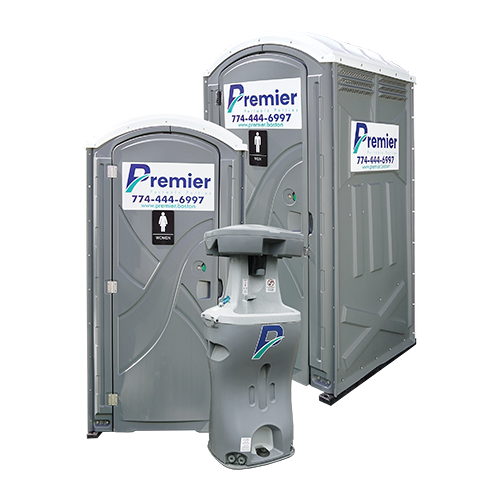
Standard vs accessible units: budgeting for dignity
Affordable porta potty rental Boston is not only about the cheapest sticker price. It is also about meeting the accessibility needs of your attendees and complying with requirements that can apply depending on event type, location, and audience. Many portable toilet rental companies offer accessible units, and the cost varies based on availability and scheduling.
In nonprofit planning, I treat accessible units as a service commitment, not a line item to negotiate away. If you have any attendees who may need accessible facilities, planning ahead protects your reputation and prevents uncomfortable last-minute decisions.
If your budget is tight, ask your provider about what unit options are available for your date. Sometimes the most affordable plan is not “one type of unit, no mix,” it is a mix that includes one accessible unit and fewer standard units, depending on expected attendance and flow.
Emergency portable toilet rental: when it makes sense, when it hurts
Emergency portable toilet rental is the lifeline for events that outgrew their plans, got moved last minute, or learned too late that a venue’s existing restrooms were not enough. It is also where costs can spike, because the provider is likely reallocating equipment and adjusting routes on short notice.
I have seen emergency rentals turn into a “bargain” only when the alternative was much worse: canceling, delaying, or trying to manage with insufficient facilities. If you are already close to the minimum number of units, emergency sourcing can sometimes rescue you. But if you are far short, emergency delivery often becomes expensive per unit, and you still might not have a comfortable setup.
If you are facing a tight timeline, ask directly how pricing changes based on:
- delivery window,
- unit type,
- servicing frequency,
- and whether you can accept a slightly different placement time.
That combination of flexibility is often what separates “emergency is painful” from “emergency is still manageable.”
Portable toilets on rent: what you can ask before you sign
When you contact portable toilet rental companies, you can get to an accurate quote quickly by asking practical questions. You are trying to avoid surprises on delivery day, not browse a menu of options.
Here are the questions I recommend nonprofits ask every time:
- What is included in the Portable Toilet Rental price (delivery, pickup, cleaning, restocking supplies, and any servicing during the event)?
- How many units do you recommend for our expected attendance and event length, and what assumptions are you using?
- Can you provide placement guidance for our location, especially if we have limited loading access?
- Are there accessible units available for the same rental window, and what is the cost difference?
- If we need to adjust quantity due to attendance changes, how do you handle it?
You can learn a lot from the tone of the answers. A provider that responds with specifics, asks clarifying questions, and offers placement guidance is usually the kind that will show up ready to work with your team.
Placement in Boston: the unglamorous part that decides whether it works
Even the best unit choice fails if the placement is wrong. In Boston, event sites can be tight, and the drop-off area can be complicated by sidewalks, bike lanes, street parking, and crowd flow.
I always plan placement in terms of three realities:
Safety and access for the provider If the driver cannot safely reach the drop location, your order does not matter. Ask whether the setup requires a clear path from the truck to the unit site. Some locations can require coordination with venue staff or event management.
Walk path and signage Attendees will not hunt for bathrooms. Place units where people already move, near key activity hubs, but not in a way that blocks foot traffic. A short, obvious walk beats a “technically close” placement that forces people to cut through a crowd.
Privacy and weather If you place units in a corner with heavy congestion, people will avoid them until they are desperate. That increases lines and makes conditions worse. In winter or shoulder seasons, weather exposure matters too. Units do not need to be indoors, but they should have a sensible approach path.
If you are renting near a school, nonprofit office, or community center, coordinate with site staff about where the units can go and how you want the area managed. Clear expectations reduce the number of day-of surprises.
A cost-minded way to right-size your order
Nonprofit budgets can move slowly, but bathroom needs do not. If you wait until the last minute, you lose leverage. If you plan early, you gain options.
One approach I have used is to lock a baseline order based on minimum attendance, then build a “flex” plan into your purchase decision. That might look like scheduling additional units with a clear adjustment window, or choosing a rental partner who can handle changes without turning every modification into a rushed fee.
To keep this practical, I think in ranges. If your event attendance is likely 150 to 250, design for the upper end of the range if your program includes food or long activities. If it is a shorter event with movement, you can be closer to the lower end, but not so low that you end up with lines during the peak.
The real savings usually comes from avoiding two extremes:
- ordering too few, then paying for stressful adjustments,
- ordering too many, then paying for idle units you did not need.
What it looks like when servicing matters
A portable toilet can be “present” and still not be usable. That is why servicing terms matter, especially for events with many users. Cleaning, restocking, and waste management are what keep the unit acceptable for the whole event window.
For longer events, food service, or family-heavy attendance, I strongly prefer a plan that includes either scheduled servicing during the event or at least clear terms for how quickly the provider responds if conditions change. Nonprofits do not always have extra staff to manage bathroom cleanliness. Even with volunteers, it is better if the rental includes the professional maintenance that makes the units dependable.
This is also where emergency portable toilet rental can feel different. In an emergency situation, you may not get the same level of servicing frequency as a planned rental. That does not mean the provider is bad, it means the logistics are constrained. If you are going emergency, ask about cleaning schedule and whether you can add servicing.
Affordable rental doesn’t have to mean low quality
It is easy to assume that cheap portable toilet rental means you will get a subpar unit. In reality, price differences often come from what is included, the delivery and pickup schedule, and the unit type, not just the physical quality of the equipment.
If you are comparing quotes, pay attention to the fine print. The lowest number on a quote sheet might not include supplies, might not include servicing, or might use a delivery window that creates extra wait time and added fees. A slightly higher quote that includes cleaning and proper support can end up cheaper in total cost to your organization, because you avoid staff time and attendee frustration.
A quick comparison nonprofits often find helpful is:
| Pricing factor | Cheaper option often means | Better affordability strategy | |---|---|---| | Rental duration | Set and pick up with limited servicing | Match rental window to event peak, request servicing if usage is heavy | | Unit selection | More standard units, fewer options | Mix standard and accessible as needed, right-size quantity | | Delivery scheduling | Less flexible delivery times | Plan with provider routes, lock delivery and pickup early | | Supplies and cleaning | Minimal included supplies | Confirm restocking and cleaning terms upfront |
This kind of comparison keeps the decision grounded. You are not guessing, you are verifying.
Planning timeline for nonprofits in the Boston area
Nonprofits are often juggling approvals and sponsorships. A realistic rental plan includes time for venue coordination, attendance estimates, and confirmation of placement.
A reasonable target is to contact Portable Toilet Rental providers at least several weeks in advance for planned events, especially in busier seasons. If you are working in the winter or on a weekend, earlier helps because equipment availability and route planning can tighten. For high-demand dates, the earlier you book, the less you pay per flexibility unit.
If your event is truly last minute, emergency portable toilet rental can still work. Just expect different constraints. Your best move is to be transparent about your schedule and ask what is possible at your location.
Handling special situations: schools, sidewalks, and crowded areas
Some nonprofit events involve restricted areas. A community event near a school entrance, a street closure, or a park with heavy foot traffic can create placement constraints.
If your venue requires coordination, work through the venue early. Confirm who has authority to grant placement permissions, how the drop-off should be handled, and whether you need a designated crew to escort placement.
Also consider how you will manage crowd flow. Even with enough units, a bad walk path can create a bottleneck. If you have volunteers directing attendees, brief them on where the facilities are and how you want lines handled, especially during peak use.
The key is to think of bathrooms as part of the event infrastructure. Like seating or check-in, they should be designed, not improvised.
How to communicate with your attendees (without overselling it)
Most people will not care about the rental process. They care that bathrooms are available, clean portable toilets to rent enough, and easy to find. Nonprofits can do a lot with simple communication.
When signage is part of your plan, place clear directions near the areas where people gather. If you have a program host, a short reminder during the event helps. For family events, mention where bathrooms are and that they are available throughout.
If you are using accessible units, it helps to mention accessibility support without making it a big announcement. Clear directions and a calm tone typically do the most good.
Keeping costs down after you book
Once you secure the rental, you want to protect the price from avoidable change orders. The best cost control is to reduce surprises.
Here are a few practical ways nonprofits keep costs steady:
- Confirm the event end time and whether the unit needs to remain accessible after a certain point.
- Set expectations with venue staff about any changes to the event footprint.
- Track attendance closely as the date approaches so you can adjust quantity while changes are still easy.
- If you think usage will spike, request servicing terms in advance.
A “cheap” rental can become more expensive if your event changes without a corresponding adjustment plan. The most affordable outcome usually comes when both sides have clarity.
The volunteer factor: what you should and should not rely on
Some nonprofits try to solve everything with volunteers. Volunteers are invaluable, but they are not a substitute for restroom servicing. You can ask volunteers to help with wayfinding, and you can provide a contact point for issues, but you should not expect a volunteer to maintain restroom sanitation like a professional service setup.
If your event is in a location where units are difficult to access, ask your rental provider how they will handle servicing. A provider that can service efficiently should be part of the plan, especially for events that are longer than a couple of hours.
A realistic budgeting example for Boston nonprofits
Let’s say you are planning a Saturday community event in Boston with about 200 attendees over four hours. You https://www.freelistingusa.com/listings/premier-portable-potties-1 expect steady use, with some food and kids present.
A typical nonprofit budget mindset is to request quotes for a baseline number of units that covers the likely peak. If the first quote looks high, do not automatically cut units. Instead, ask how the provider would adjust placement, servicing, or unit mix to keep the experience acceptable at a lower total cost. Sometimes the adjustment is quantity. Sometimes it is the rental window. Sometimes it is the unit type mix.
For example, it is common for providers to recommend adding a second standard unit rather than relying on one unit for the whole event. The cost may increase, but the attendee experience and staff time savings can justify it. And if your event includes accessibility considerations, budgeting for an accessible unit avoids the expensive mistake of scrambling later.
If you are working within a tight budget, ask providers for the most cost-effective plan that still meets your attendee needs. That phrase matters, because a good provider will understand that “affordable” has to include usability, not just delivery.
Choosing the right portable toilet rental company
Not all portable toilet rental companies operate the same way. Some are great at moving equipment, others are great at coordination, and a few focus heavily on sales without much event planning support.
When you evaluate a company, look for these signals:
- They ask clarifying questions about attendance, event length, and location.
- They explain what is included in Portable Toilet Rental pricing.
- They provide realistic delivery and placement guidance.
- They offer accessible options and can discuss them without awkwardness.
- They communicate clearly about what happens during the event and at pickup.
It is also fair to ask for references or examples of similar events, as long as you phrase it respectfully. A provider that has experience with community and nonprofit events tends to understand how volunteers, schedules, and budgets interact.
What I would do differently next time, if I had to restart planning
If I were rebuilding a nonprofit bathroom plan from scratch, I would prioritize three actions earlier than most teams do.
First, I would lock the rental window and confirm the event end time. Bathroom logistics become cheaper when you are not changing end times late.
Second, I would treat accessibility as part of planning, not as an afterthought. If you need an accessible unit, you should plan it early enough to get the most affordable availability.
Third, I would ask about servicing terms in plain language. Nonprofits do not need a lecture, they need clarity on how conditions will be handled during the event.
Those three steps usually turn porta potty rental from a stressful scramble into a dependable infrastructure decision.
Final decision checklist for your next nonprofit event
Before you place the order, do a last pass so you do not inherit problems you could have avoided. Here is my quick nonprofit checklist to keep rental plans affordable and usable:
- Confirm expected attendance range and event length, and tell the provider about food, kids, or alcohol.
- Verify what your Portable Toilet Rental quote includes, especially cleaning, supplies, and servicing.
- Plan placement for safe access and easy wayfinding from the main crowd flow.
- Include accessible facilities if your audience or venue needs it, and ask about availability early.
- If you are booking close to the event, ask whether emergency portable toilet rental changes servicing terms.
If you follow those steps, you can usually secure porta potty rental Boston pricing that stays under control while still delivering a setup people actually want to use.
If you want, tell me your event date, location (Boston neighborhood or nearby town), approximate attendance, and whether you have food service or kids. I can help you think through a reasonable unit mix and the questions to ask so you get a quote that is both affordable and dependable.
Premier Portable Potties
35 Industrial Dr, East Bridgewater, MA 02333, United States
(774) 444-6997
[email protected]
website: https://www.premier.boston/